September 30, 2026
Iron fences have long been a staple of residential and commercial properties because they combine dependable security with timeless visual appeal. These fences can establish clear property boundaries, discourage unwanted access, and enhance landscaping without completely blocking views. In today’s environment, where property owners often want practical protection without sacrificing appearance, iron fencing remains a versatile option. The decision to install an iron fence may be influenced by security needs, architectural style, durability, maintenance expectations, and budget. Experienced iron fence installers can help property owners balance these considerations and develop a fencing solution that complements the property while providing dependable performance for years.
Understanding Iron Fence Types and Materials
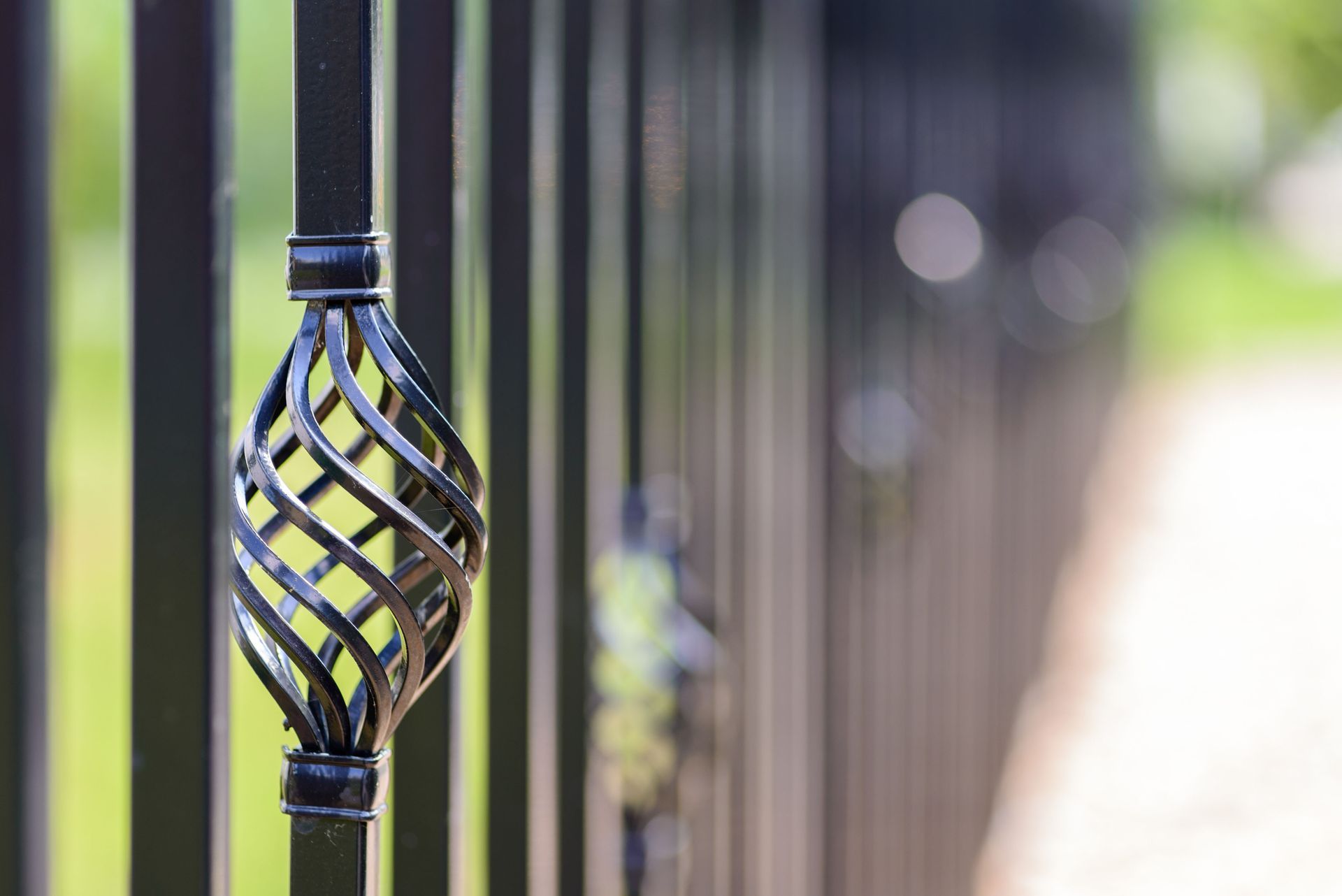
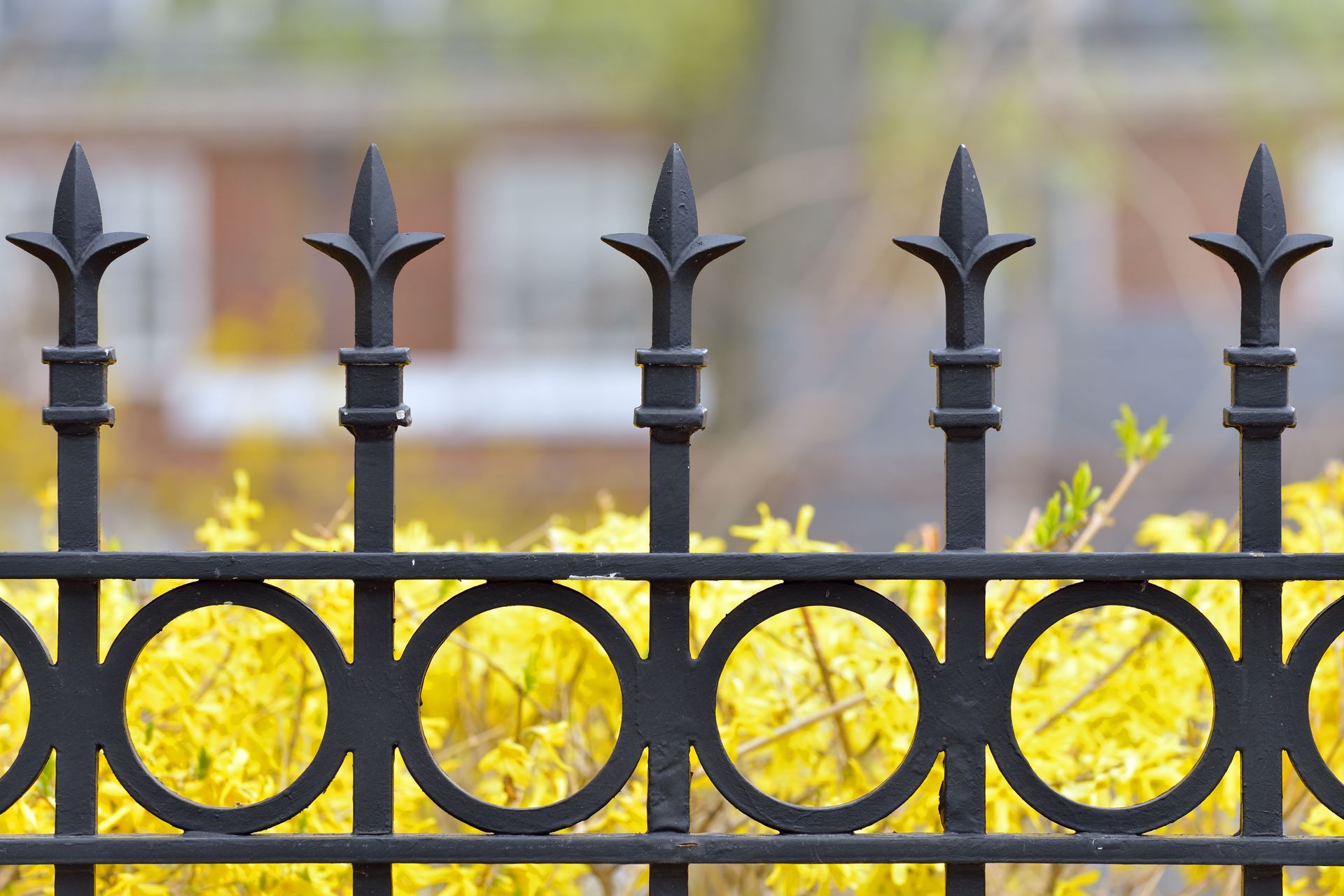
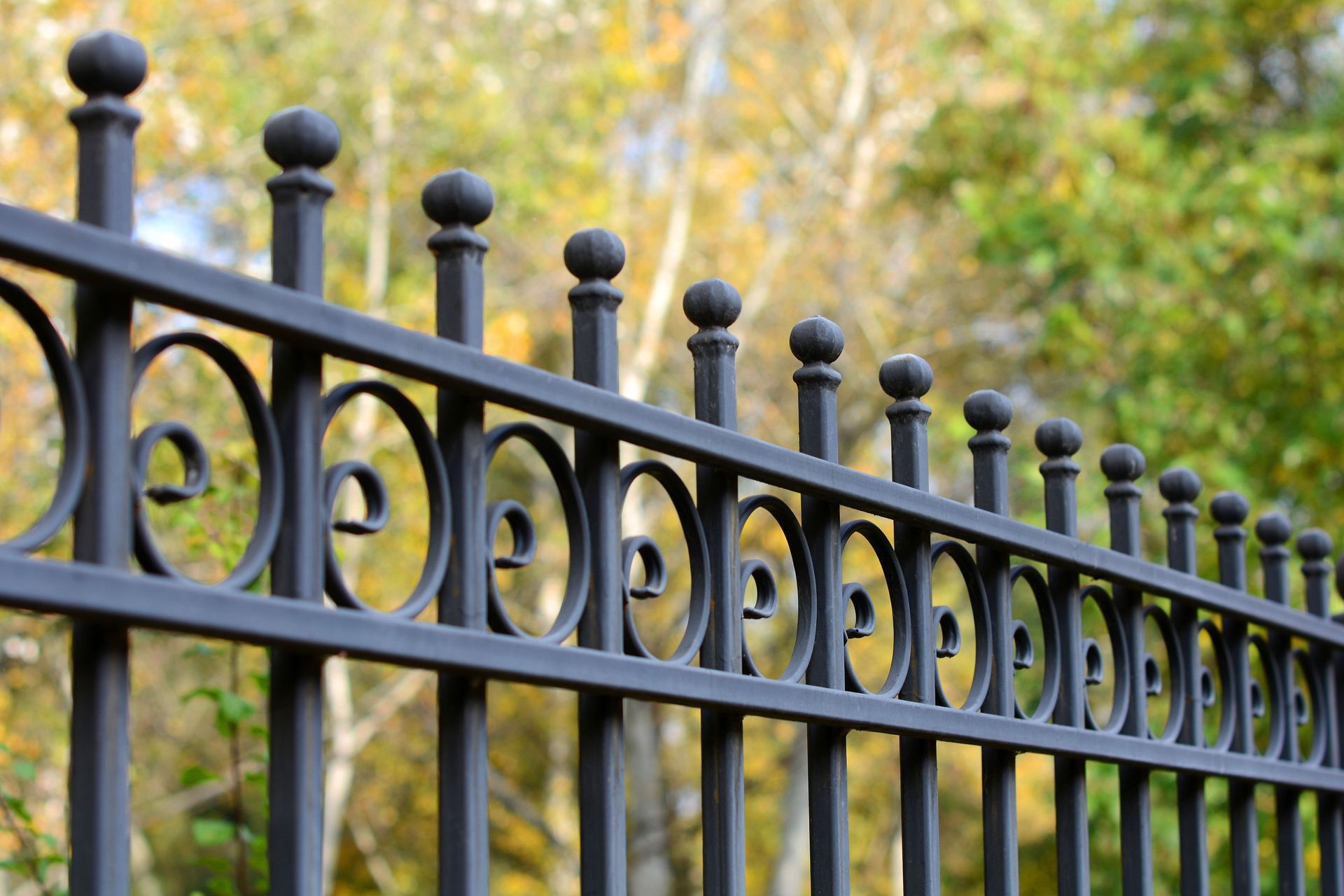
Wrought iron is especially well known for its strength, traditional appearance, and ability to accommodate decorative details. Because the material can be shaped into scrolls, curves, finials, and other ornamental features, it works particularly well around properties where fencing is intended to become part of the architectural design. Its substantial construction also creates a physical boundary that can discourage unauthorized access. According to HomeGuide, a well-maintained wrought iron fence can last for 50 to 100 years, demonstrating why proper care can make this type of fencing a long-term property investment.
Cast iron provides another option for property owners seeking a sturdy and consistent boundary. Components created with molds can provide greater uniformity across repeated sections, making this style useful for properties where a symmetrical appearance is preferred. Powder-coated iron offers additional protection by placing a durable finish over the metal. The coating can reduce exposure to moisture while providing different color and finish possibilities. When comparing these options, iron fence installers can explain how material, coating, design, and environmental exposure may affect durability and maintenance requirements.
Comparing Iron With Other Fencing Materials
Iron differs substantially from common alternatives such as wood, vinyl, aluminum, and chain-link fencing. Wood provides warmth and privacy but may require periodic staining, sealing, or replacement of damaged boards. Vinyl requires relatively little routine maintenance but does not provide the same substantial appearance as iron. Aluminum can visually resemble ornamental iron while offering corrosion resistance, although its lighter construction may not satisfy every property's security requirements. Iron combines significant structural strength with decorative possibilities, making it particularly suitable when security and appearance are equally important.
The right choice ultimately depends on the property's purpose and environment. A decorative residential boundary may require a different configuration than fencing surrounding a commercial building or controlled entry point. Exposure to moisture, salt, vegetation, and changing temperatures should also be considered. Evaluating these conditions before selecting materials can reduce maintenance concerns later and help property owners choose a fence that is appropriate for its surroundings.
Strengthening Property Security
One of the primary advantages of iron fencing is its ability to establish a substantial physical perimeter. Properly designed fencing can discourage unauthorized entry while clearly identifying areas where visitors should enter and exit. Height, spacing, gates, and the configuration of fence tops can all influence the security provided by an installation. Professional iron fence installers can evaluate these features alongside the property's layout to determine how fencing can contribute to a broader security strategy without creating an unnecessarily imposing appearance.
Modern fencing can also work alongside electronic security equipment. Cameras, access-control systems, intercoms, lighting, and automated gates can be positioned around entrances and perimeter areas to provide additional oversight. This allows the fence to function as one layer within a larger property-security system. For businesses, multifamily properties, and larger residences, carefully coordinating physical barriers and electronic equipment can create more controlled access while preserving convenient entry for authorized visitors.
Improving Curb Appeal Through Design
Security does not require sacrificing attractive design. Iron fencing can complement architectural styles ranging from historic and traditional homes to minimalist contemporary properties. Decorative scrollwork and detailed finials can reinforce classical architecture, while straight lines and restrained patterns may coordinate better with modern structures. Because the material offers substantial customization possibilities, fencing can become a deliberate component of the property's overall appearance rather than simply a functional boundary.
Color and finish provide another opportunity for customization. Black remains a familiar choice because it coordinates easily with many exterior materials, but other finishes can complement masonry, siding, landscaping, gates, and exterior fixtures. Skilled iron fence installers can also help determine appropriate spacing, proportions, and decorative details so that the finished fence complements the scale and character of the building rather than overwhelming it.
Integrating Fencing With the Landscape
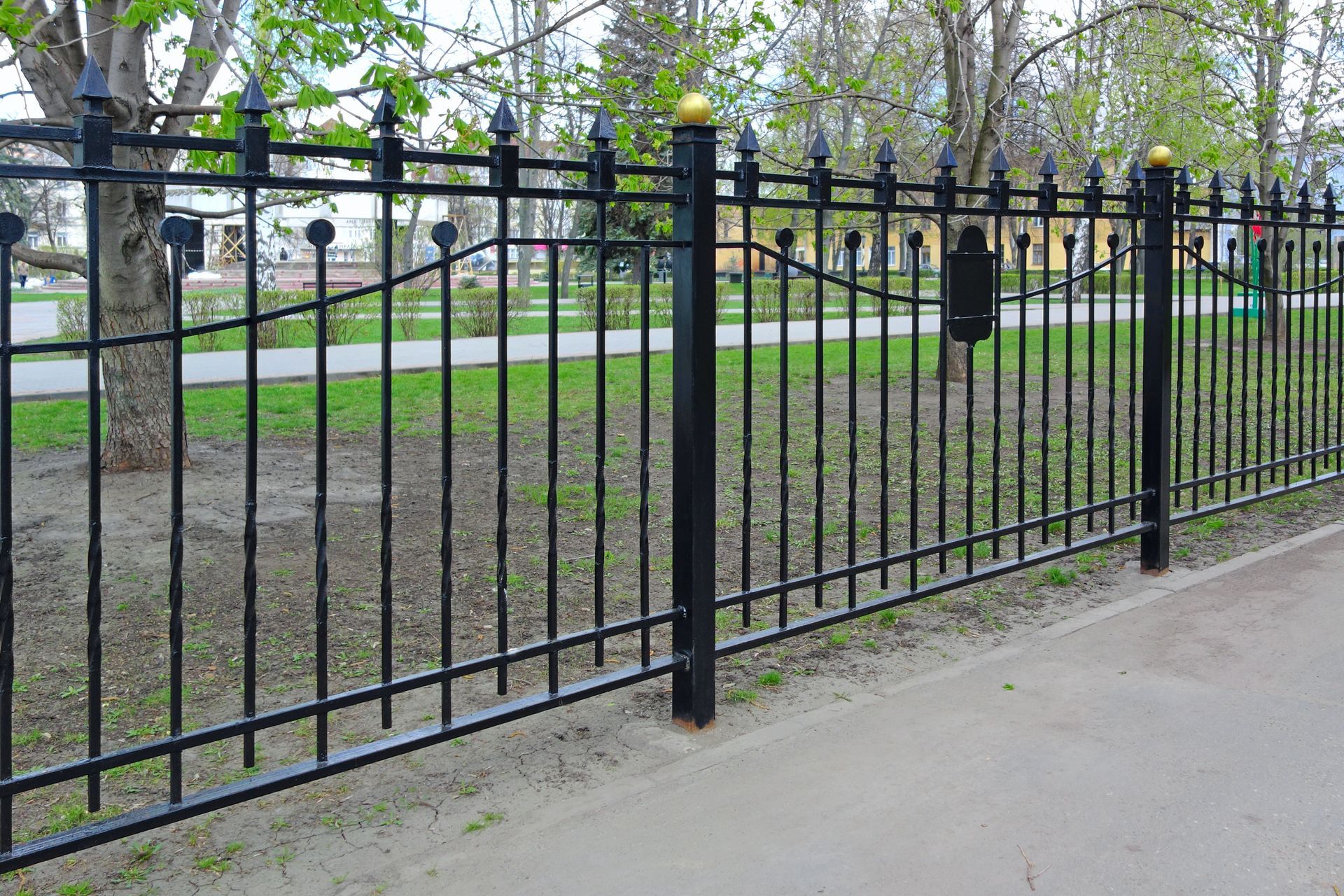
The open design of many iron fences allows landscaping to remain visible from outside the property. Gardens, trees, shrubs, pathways, and architectural features can therefore continue contributing to curb appeal while the fence establishes a defined boundary. This characteristic makes iron particularly useful for front yards and landscaped commercial areas where maintaining visibility is desirable. Plantings can also soften the appearance of the metal and create a natural transition between the fence and surrounding outdoor areas.
Thoughtful placement is important when integrating fencing with mature landscaping. Roots, irrigation equipment, drainage systems, slopes, and existing hardscaping may affect where posts and gates can be installed. Planning these details before construction helps minimize unnecessary landscape disruption and can prevent conflicts between the fence and other exterior features as plants mature.
Planning for a Professional Installation
A successful project typically begins with a thorough assessment of the site. Contractors may examine property lines, grading, soil conditions, existing structures, access points, and potential obstacles before installation begins. Measurements must be accurate so fence panels, posts, and gates align correctly throughout the property. Experienced iron fence installers can also discuss how terrain changes may affect panel placement and determine whether stepped or sloped configurations are appropriate.
Design consultation is another important part of planning. Property owners can discuss desired fence height, decorative details, gate locations, finishes, and security priorities before materials are ordered. Making these decisions early helps establish realistic expectations regarding project scope and cost. Careful planning also reduces the likelihood of expensive modifications once fabrication or installation has begun.
Addressing Codes, Boundaries, and Site Requirements
Fence installations may be subject to local regulations involving height, setbacks, visibility near driveways, easements, and placement along property boundaries. Homeowners associations may have additional rules governing materials, colors, or decorative styles. Checking applicable requirements before work begins can prevent delays or the need to alter a completed installation. Property owners should also verify boundaries when there is uncertainty about where one property ends and another begins.
Underground utilities present another important consideration. Post holes must be positioned and excavated carefully to avoid conflicts with buried infrastructure. Professional iron fence installers can incorporate site information into the planning process and help property owners understand the practical considerations that should be addressed before construction. Thorough preparation contributes to a smoother project and a more structurally reliable finished fence.
Careful planning is essential to receiving these benefits. Material selection, design, site conditions, local requirements, installation quality, and maintenance should all be considered before making a final decision. Working with knowledgeable iron fence installers can help property owners navigate these factors and create a finished boundary that supports security without overlooking curb appeal. With thoughtful design and regular maintenance, an iron fence can remain both a practical property feature and an attractive architectural element for many years. Contact our team at Gomez Brothers Wrought Iron, Inc today and learn more about our iron fence installers.